
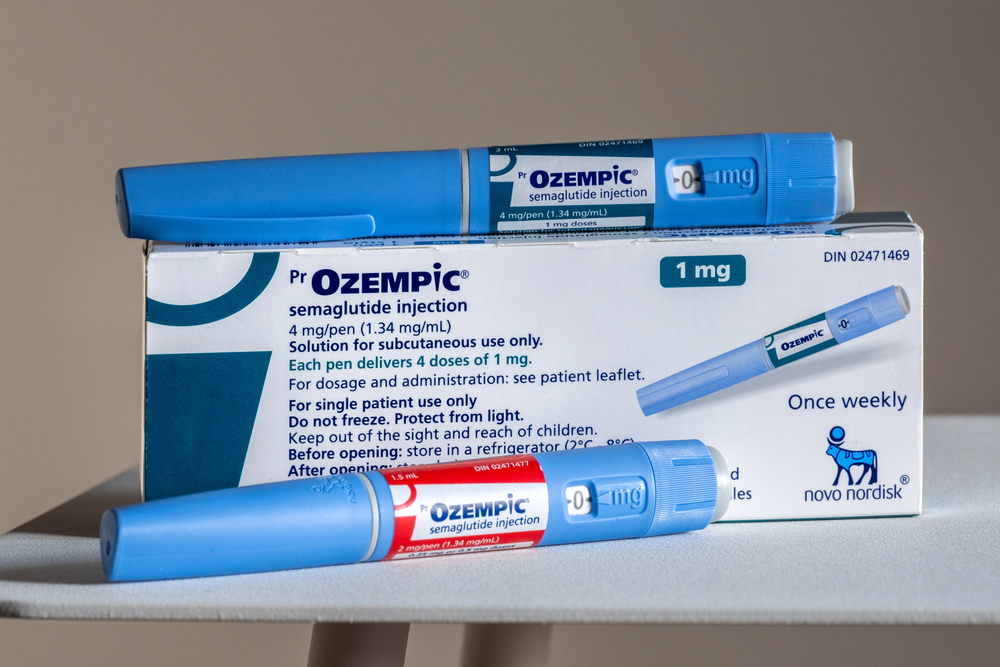
“Ozempic feet” is an informal, social-media term for changes in the appearance and comfort of the feet that some people notice after substantial weight loss while taking Ozempic or similar GLP-1 medications. The name refers to Ozempic (semaglutide), but the same changes can occur with Wegovy, Mounjaro, Zepbound, bariatric surgery, or any cause of rapid, substantial weight loss.
The phenomenon usually describes feet that look thinner, bonier, or less full, with more visible veins, tendons, and loose or wrinkled skin. It may also involve reduced cushioning under the heel and ball of the foot, leading to tenderness, aching, burning sensations, or a feeling of “walking on pebbles.”
Why It Happens
Ozempic and related GLP-1 receptor agonists work by reducing appetite and slowing digestion, which often leads to significant weight loss. The medication itself does not appear to directly damage the feet; rather, the likely cause is the rapid loss of body fat, including the protective fat pads in the feet.
The soles of the feet contain specialized fat pads beneath the heel and the ball of the foot. These pads act as natural shock absorbers, cushioning bones, joints, and soft tissue against the repeated impact of standing and walking. When a person loses weight quickly, these pads can become thinner, leaving less padding between the ground and the bones of the foot.
At the same time, fat loss on the top of the foot can make the skin appear looser or deflated. Veins and tendons may become more prominent because there is less soft tissue covering them. Skin elasticity also matters: if weight is lost rapidly, the skin may not have enough time to adapt to the body’s new shape.
What It Can Feel Like
Not everyone using Ozempic or another GLP-1 medication develops these changes. When they do occur, the effects can be divided into cosmetic changes, discomfort, and practical problems with footwear.
Common signs include:
- A thinner, bonier, or more “deflated” appearance, especially across the top of the foot.
- More visible veins, tendons, wrinkles, or loose skin.
- Heel pain, pain in the ball of the foot, burning, aching, or tenderness when standing or walking.
- A sensation of reduced cushioning, sometimes described as walking on pebbles or bone.
- New blisters, calluses, or irritation caused by pressure points.
- Shoes that suddenly feel loose, slip at the heel, or create rubbing and pressure in new places
Some people report going down a full shoe size or moving from a wide shoe fit to a regular or narrow fit. These changes are not merely cosmetic: poorly fitting shoes can create friction, pressure, blisters, calluses, and, in some cases, ulcer.
Is It Dangerous?
For many people, “Ozempic feet” is primarily an appearance and comfort issue rather than a dangerous complication. However, loss of natural padding can affect walking mechanics, increase pressure on certain areas, and make prolonged standing or exercise uncomfortable.
The concern is greater for people with diabetes, reduced sensation in the feet, poor circulation, or a history of foot ulcers. In these groups, even minor rubbing or pressure can progress into a wound that is difficult to heal. Anyone who develops an open sore, persistent redness, warmth, swelling, numbness, tingling, severe pain, or difficulty walking should seek medical care promptly.
It is also important not to assume every foot symptom is caused by weight loss. Nerve problems, arthritis, plantar fasciitis, circulation issues, and poorly fitting shoes can cause similar symptoms. A podiatrist or clinician can help determine the actual cause.
How to Manage It
There is no guaranteed way to prevent “Ozempic feet,” especially when weight loss is rapid. The most useful approach is to support foot comfort, preserve muscle and overall health, and address footwear problems early.
Practical steps include:
- Wear supportive, well-cushioned shoes rather than continuing to use footwear that no longer fits properly.
- Consider cushioned insoles or custom orthotics if heel or ball-of-foot pain persists; these can replace some lost shock absorption.
- Replace shoes that rub, slip, or create pressure points, since friction can lead to blisters and skin breakdown.
- Maintain adequate protein intake, hydration, and resistance training, which may help preserve muscle mass during weight loss.
- Moisturize dry skin and inspect the feet regularly, particularly for people with diabetes.
- Discuss the pace of weight loss with a prescribing clinician if foot pain, weakness, or major changes in shoe fit develop.
